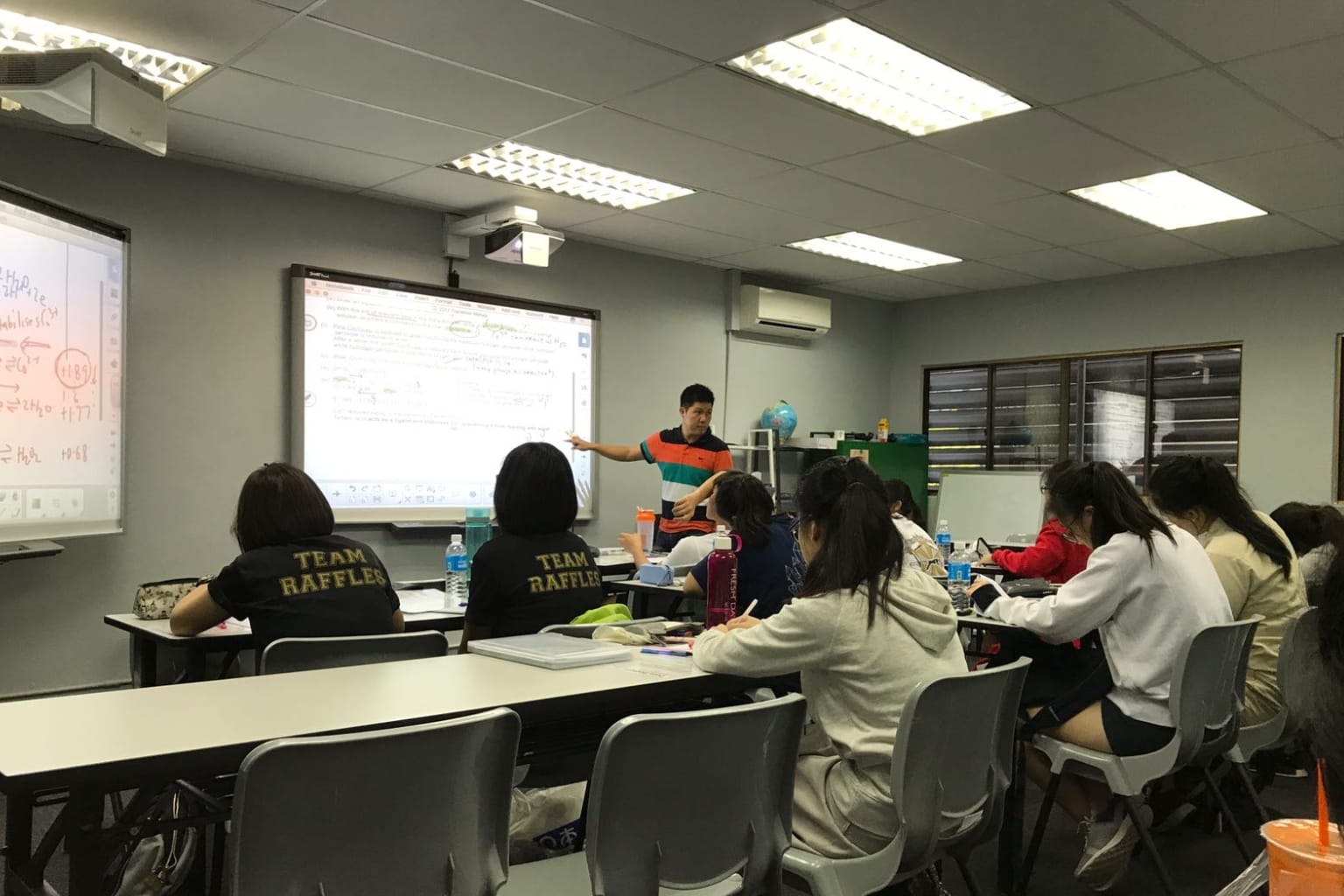
Learning A Level Chemistry is more than being able to recollect information on science just before examinations. It is about acquiring relevant concepts, practicing different kinds of questions and learning how to apply what one knows in various situations. Students, even those who study whatever is covered in classes, may not be able to recall facts or resolve tough questions without revising constantly. The process of A Level Chemistry Tuition enables developing a routine for studying that will help students stay engaged with the discipline.
Establishing a Consistent Studying Schedule
It is among the biggest challenges faced by A Level students to juggle many disciplines, academic work, practical activities and revision. Whenever students are overloaded with assignments in other disciplines, it means that chemistry goes to the background. It generally results in last-minute revision before tests and inability to remember facts already covered in classes.
Regular attendance at instruction helps to build a consistent learning routine. Students know when they will get back to Chemistry concepts and when they will need to do more practice. A Level Chemistry Tuition makes studying easier since students do not have to rely solely on last minute preparation. Regular classes also help students take responsibility for their success, and keep a continuous connection with the subject throughout the academic year.
Better Understanding of Complex Chemistry Concepts
A Level Chemistry covers a number of areas that are interrelated and require logical thinking. Areas covered will include chemical bonding, energetics, equilibrium, organic chemistry and reaction kinetics. These topics typically have a number of concepts that are required to be understood collectively to be able to answer questions based on applicability.
It is possible to go back to some complex issues through consistent teaching instead of progressing without addressing these issues. The learning of processes and illustrations facilitates easy understanding of abstract concepts by the teacher.Repetitive practice of the idea makes it possible for the learner to create relationships among various subjects.
This method decreases the occurrence of rote learning. Students learn not just isolated information but why certain reactions occur and how chemical principles affect the final conclusion.
Find gaps in your learning before exams
However, students usually fail to recognize their weaknesses in case of studying on their own. Even though they may feel confident about their notes, they will never manage to answer the questions they are unfamiliar with.Some may understand the theoretical reasoning but make blunders applying equations or interpreting experimental facts.
Regular assessments and guided exercises are used at A Level Chemistry Tuition to detect these learning gaps. Teachers can see if pupils have misinterpreted a concept, forgotten a fundamental principle or made the same calculation errors over and over again. These issues must be sorted out at an early stage to not hamper the advanced issues.
Feedback also helps in finding out areas which need improvement. The students will then be able to focus on areas which need improvements, instead of wasting equal efforts on everything.
Improvement of problem solving skills and application of knowledge
Not only is being able to memorize information from textbooks important in A level Chemistry tests. It is essential that the student reads the questions and utilizes the correct approach. In some instances, the questions combine elements, requiring the student to find the answer by making connections.
Practice plays an important role in developing this habit. Working through numerical difficulties, reaction processes, structured enquiries and experimental scenarios improves their capacity to tackle different types of question. They can be taught how to set out computations, exhibit acceptable working and provide explanations which answer what the question is genuinely asking, given direction.
Through consistent exposure to various problems through time, the students get familiar with difficult questions at A Level Chemistry Tuition. They will learn how to do things on their own without being told every single move to make.
Conclusion
In order to maintain the pace of A-Level Chemistry there has to be a well-structured teaching plan in place and lots of revision. The correct learning atmosphere can assist the students build their fundamentals and face the exams with more confidence. Twig Learning Center helps A Level Chemistry students with TwigMethod® structured teaching style, small class sizes, guided practice, worksheets, learning tools and Lessons on Demand. Twig Learning Center is here to assist students to form strong learning habits and gain a greater grasp of Chemistry with professional teaching lead by Donnell Koh, together with alternatives for physical and livestream lessons.
FAQs
Why is regular instruction in A Level Chemistry important?
It allows students to keep a study schedule, to revise concepts and to regularly practise examination questions.
Can normal tuition enable pupils to develop problem-solving skills?
Yes, using guided activities and a lot of practice helps pupils solve Chemistry questions they have never seen before.
How does tuition allow pupils to find their weak points?
Constant exercises and teacher’s feedback exposes the gaps in knowledge and areas that need to be reviewed.
Do students have to do Chemistry revision between tuition lessons?
Yes, independent revision helps to reinforce what has been taught in the classroom, and also helps to grasp longer term.