A Level Chemistry is difficult even for those who are good at other subjects. A good understanding of scientific principles, accurate computations and the capacity to apply theoretical knowledge to novel questions is needed. Even if students grasp a topic in classroom instruction, they may not know how to approach examination problems by themselves. Such hindrances can be sorted out through careful preparation, regular practice, and adequate explanation which the right A Level Chemistry Tuition can offer. Proper academic assistance can help pupils to get rid of their uncertainties gradually and face the examination confidently.
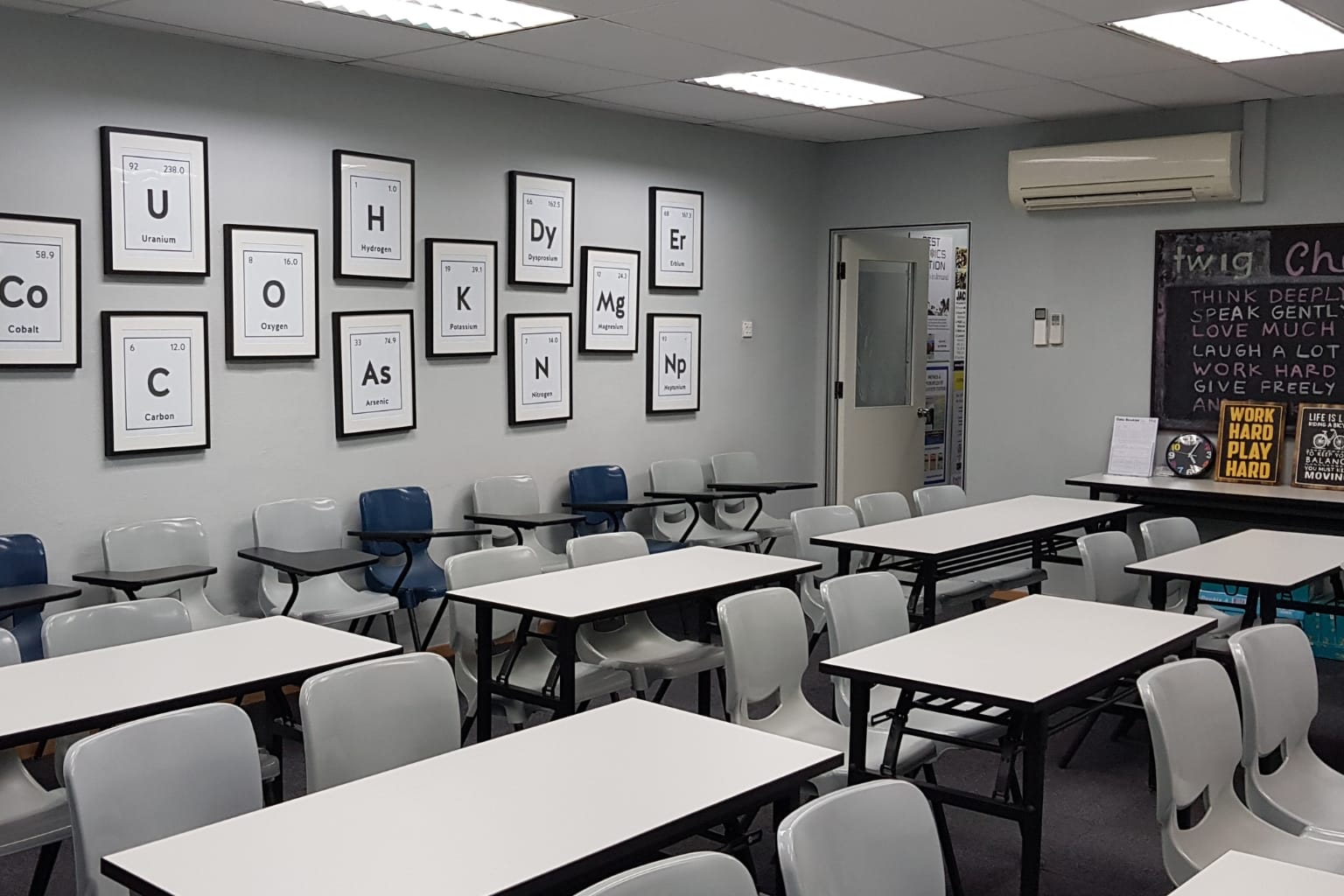
Building a Strong Foundation of Chemistry Concepts
Confidence starts with knowing the subject. If pupils learn chemical reactions and formulas without comprehending how they function they may not be able to solve questions that demand a different approach. A Level Chemistry has several related topics therefore a poor understanding of one issue can effect success in other areas.
Good A Level Chemistry Tuition helps pupils grasp why the chemical principles are how they are. Tutors can break complicated topics into simpler parts and use examples to demonstrate abstract concepts. Then students can connect distinct concepts rather than treating each chapter as a separate subject.
This method is very helpful when investigating chemical equilibrium, energetics, organic chemistry and reaction kinetics. Once pupils know the basics, they become more comfortable with novel enquiries.
Identifying Weak Areas Before Exams
Students don’t always know the precise cause of their issues. Some may find it difficult to cope with mathematics whilst others may find it difficult to describe chemical processes using appropriate scientific terminology. If they don’t detect these flaws they can spend too long revising things they already know.
The correct A Level Chemistry Tuition program helps students identify their learning gaps through questions, conversations and regular assessments. Tutors may see how pupils tackle certain topics, and see where they need to put more emphasis.
For example, a student who has a good understanding of organic reactions but does not do as well with reaction mechanisms may need more targeted practice in that area. Similarly, someone who often makes mistakes with arithmetic enquiries could benefit from breaking down calculations.
Targeted guidance helps to structure revision and helps learners comprehend what they need to do to improve before the exam.
Practice Tests Build self-confidence
Chemistry topics have to be learned but students should be aware of how to apply these topics in exams. There are diverse types of questions in the A level exams and these are made to test the student's knowledge, interpretation, and problem-solving abilities.
The students get familiar with the requirement by solving sample problems in the same way as the exam requires them to do. This will help them understand how to pick out the relevant information and use the right formulae to answer the question.
Practice in a time bound situation will benefit the students by helping them cope with the pressure of the exam. It might take extra time to solve some problems. But they could develop their organizing skills through practice.
The other important aspect is to check the wrong solutions. The student should find out where he went wrong in his approach rather than knowing the right solution.
Improving answer techniques and scientific communication
A common problem at A Level Chemistry is knowing the right notion but not being able to explain the answer well. Students might comprehend a chemical reaction or concept but end up scoring poorly due to the omission of important information or the use of incorrect terminology.
The correct A Level Chemistry Tuition assists kids to build stronger response skills. They learn to structure explanations, explain computation procedures and use acceptable scientific terminology. Tutors can also provide guidance as to how to interpret command words such as describe, explain, compare and advise.
This instruction is useful for closed questions, where students must give specific replies. Continuous feedback enables them to discern the factors that make an answer excellent and how to communicate their expertise effectively.
Conclusion
Conducting well in A level Chemistry is not just about knowing formulae by heart and working through practice questions. The students need comprehensive explanations, rigorous revision and constant guidance in order to understand difficult topics and improve their testing techniques. Twig Learning Center provides H1 & H2 Chemistry tuition classes for students of JC1 and JC2 using the TwigMethod® which has a systemised approach to learning. This learning center uses a four-step teaching process that recognizes the learning problem, builds strong foundations, applies the concept and reinforces knowledge. Students also receive small class tuition, syllabus-specific practice questions, revision classes and Lessons on Demand. In the capable hands of a Chemistry tutor, Mr Donnell Koh, students will be able to gain a deeper understanding of the subject.
FAQs
How can A Level Chemistry tuition help students cope with exam fear?
It instills confidence through elaborate explanations and exercises on how to answer difficult examination questions.
What is the significance of practicing exam questions regularly for students doing A Level Chemistry?
It assists them in comprehending the question patterns and answering them accurately and efficiently in the exams.
How can 1-to-1 tutoring build confidence in Chemistry?
It helps students identify their weaknesses and provides them with detailed advice in improving their understanding and skills in solving the problems.
When should students start A Level Chemistry tuition?
Students can start their tuition even before the exams when they are in the JC1 or JC2 year.