The study of A Level Chemistry entails the understanding of complex concepts and applying them in different forms of questions. Complex concepts like organic reactions, bonding and energetics might become hard for some students to understand since they might have difficulties applying theoretical knowledge into practice. Students may be reluctant to ask any questions or seek personal assistance from a teacher in a large class room setting. Small group A Level Chemistry Tuition offers an active learning process where students can freely take part in discussion and improve their understanding.
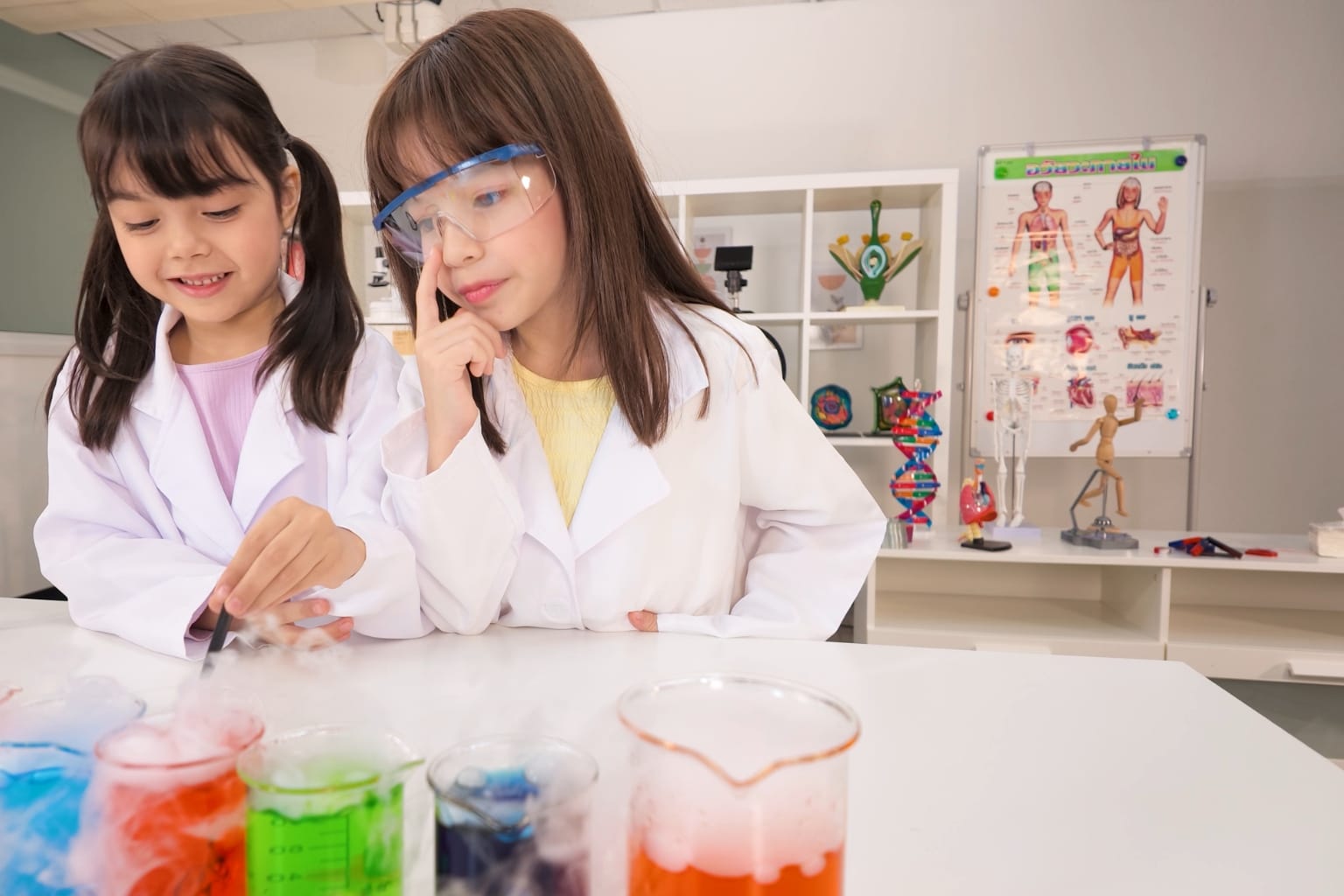
A More Interactive Approach to Learning
There is higher student involvement as they are no longer passive listeners of the explanations but actively involved in the process. This gives them more chances to ask questions, express their views and discuss complicated topics with their tutor during private A Level Chemistry Tuition.
Instead of one-way lecture format, discussions and problem solving tasks can be included. Students can describe how they arrived at a solution and learn from the approaches of others. This makes Chemistry classes more fun and allows learners to think for themselves.
More chances to question
At A Level Chemistry you will study concepts that often demand lengthy explanations. The learner may understand the basic formula but not use it in a computation or exam question. In a large class, it can be difficult to ask for clarification, particularly if the rest of the class has already moved on to the next topic.
In a small group setting it’s easier to ask questions. Students can ask enquiries when they are confused instead than letting the misunderstanding fester. Also, tutors can spot frequent mistakes and explain concepts using easier examples at A Level Chemistry Tuition. This helps to keep the learners engaged throughout the class.
Individual Attention in a Group Setting
One of the great things about learning in a small group A Level Chemistry Tuition is that you have the option to receive personalised coaching while still being in a class with other students. Each learner has various strengths & shortcomings. Organic chemistry may be difficult for some. Some need practice with calculations or chemical equilibrium.
A tutor can see how students approach questions, and what they struggle with. Students who ‘get’ a subject easily can work on harder difficulties and those who need more help can get it. This adaptable approach keeps things interesting without making classes too simple or too hard.
Peer Learning Makes Hard Topics Easier
Learning with other pupils can increase involvement and confidence. When learners discuss a Chemistry problem together, they receive the chance to see alternative ways of tackling the subject. A classmate may explain an idea in a way that is easier to follow at A Level Chemistry Tuition.
Peer learning also helps students articulate their reasoning. For instance, when learning about chemical bonding, students might compare their knowledge of molecular frameworks and explain why some bonds develop. These debates make the lessons more vibrant and the main topics stick with the pupils.
Get Involved and Be Confident
Some students do not participate as they do not want to give a wrong answer. But it’s simpler to overcome this hesitation with a supportive little group. Tutors who enable pupils to speak their opinions without fear of being judged will find that learners will progressively feel more comfortable expressing their thinking.
Questions throughout lessons can assist students identify what they know and where they need more practice. As students are consistently participating they may feel more secure in explaining chemical processes, solving math difficulties and addressing unexpected questions.
Summary
Small group learning may make A Level Chemistry more interesting through promoting questions, discussion, peer learning and regular feedback. Students are given the opportunity to work through tough ideas and gain confidence in the application of their knowledge.
Twig Learning Center is a Chemistry and Science education company via its structured TwigMethod®. It’s four-phase strategy comprises assessing learning gaps, developing foundations, applying concepts and reinforcing understanding. Small class sizes and individualised attention are also stressed at the center to enable students engage more actively with tough topics. If you’re a student looking for concentrated A Level Chemistry Tuition, search for Twig Learning Center for further academic help and a more engaging learning experience.
FAQs
What makes A Level Chemistry tuition in small groups enhance students’ interest?
It encourages students to ask questions, to become involved in conversations and to work out solutions together.
Can you get personal attention in small group tuition?
Yes. Tutoring process includes identifying the weaknesses and suggesting the way forward in accordance with individual requirements.
Is peer learning helpful for students in learning Chemistry?
Yes. Peer learning is more effective for students in learning challenging areas through discussions and comparison of problem-solving methods.
Does small group A level Chemistry tuition benefit students in their exams?
Yes. This gives an opportunity for you to engage in problem-solving as well as understand the course material better.